1 Background
This project is deployed in the
REPSUN core equipment room area. The project site faces two major protection challenges. It has extremely limited installation space alongside stringent grounding criteria, calling for a compact yet highly reliable grounding solution. In addition, the high density of on-site equipment raises potential risks such as electrical faults, overheating and surge damage.
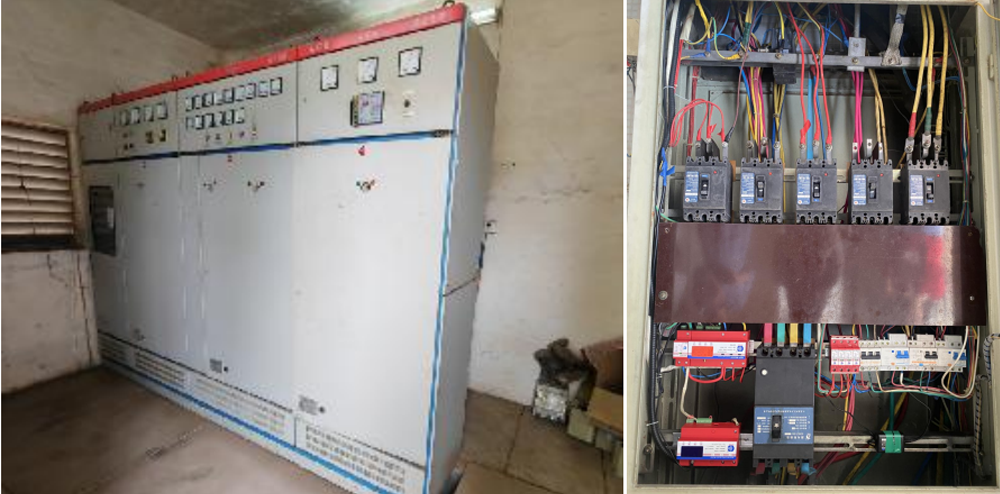
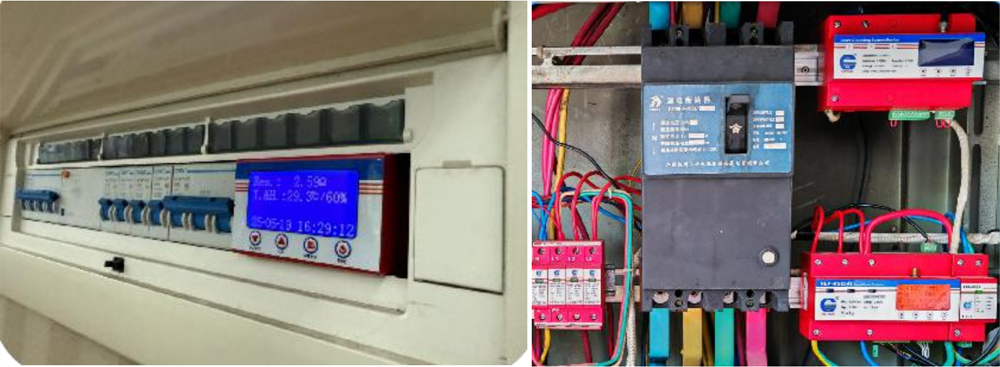
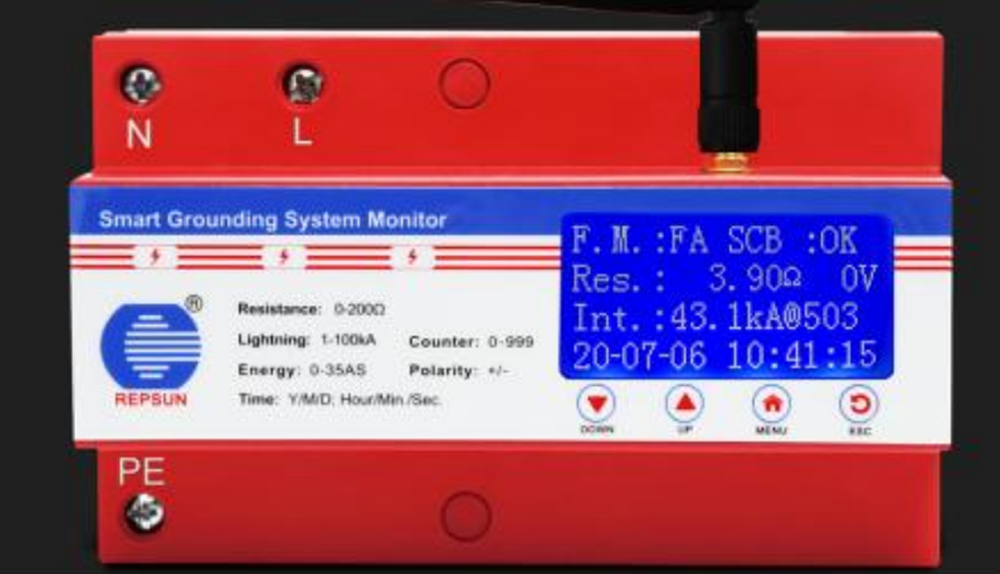
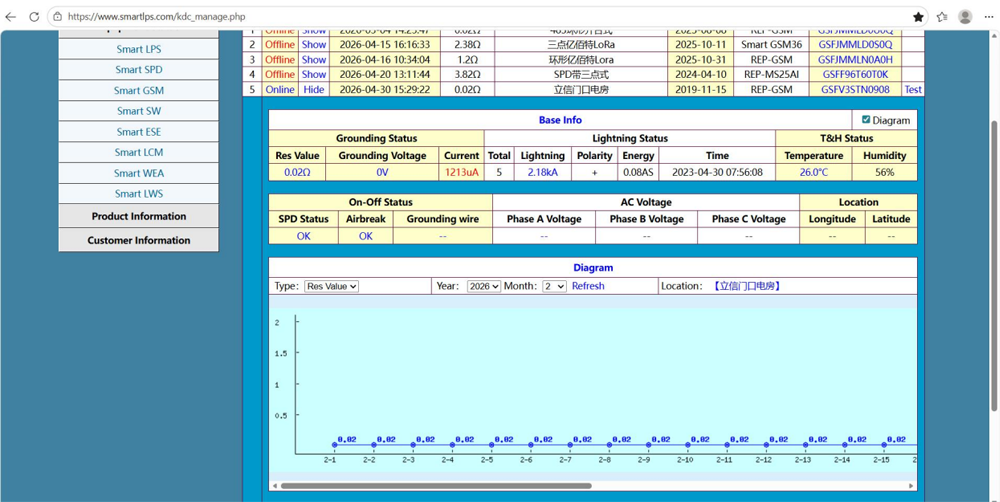
REPSUN DIN rail-mounted Smart GSM16 and Smart GSM26 adopt highly integrated smart grounding technology, easily coping with challenges such as limited space and complicated installation inside distribution cabinets. Featuring a compact size and plug-and-play design, Smart GSM16 and Smart GSM26 support real-time online monitoring and intelligent diagnosis. They continuously track the on-off status of grounding lines, detect and report abnormalities at the earliest time, and comply with the strictest grounding specifications. With the advantages of intelligence and automation, they provide reliable guarantee for the stable operation of the system.

3 Project Achievement
To address practical on-site challenges,
REPSUN Smart GSM16 and Smart GSM26 deliver comprehensive application advantages with their unique intelligent detection technologies respectively.
The Smart GSM16 adopts loop method technology. It can measure grounding loop resistance quickly and accurately without auxiliary electrodes. It is especially suitable for complex sites with limited space where auxiliary grounding piles cannotbe installed, effectively solving engineering difficulties in low-resistance measurement.
The Smart GSM26 applies rail-mounted technology. Designed specifically for narrow spaces such as distribution cabinets, it accurately checks the on-off status of grounding lines and low-resistance loops, ensuring the integrity and reliability of the grounding system.
Benefiting from excellent low-resistance detection performance, both devices maintain stable power supply and reliable operation of core equipment even under high-load working conditions. Meanwhile, they optimize space and wiring arrangement, simplify daily operation and maintenance, and effectively reduce operational risks such as electrical faults, equipment overheating and potential safety hazards caused by long-term live operation.
 English
 Русский
 Español
 العربية
 Français